If you are planning a safari from Latvia, the Big Five is likely at the top of your list. This big five safari guide for Latvian speakers covers exactly where to find each animal, when to go, and how to plan a trip that realistically shows you all five. Kenya is one of the best countries in Africa for this goal, and with the right itinerary, you can see lion, leopard, elephant, buffalo, and rhino in a single journey.
What Does This Big Five Safari Guide for Latvian Speakers Cover?
The Big Five are the African lion, leopard, African bush elephant, Cape buffalo, and both species of rhino (black and white). The term has a hunting origin. Colonial hunters considered these five animals the most dangerous to track on foot. Today the term is used for photography and tourism, and it remains the standard checklist for safari visitors.
Each animal is very different in behavior and visibility. Lions are social and often easy to find. Leopards are solitary and secretive. Elephants are large and relatively predictable. Buffalo move in large herds. Rhinos are rare and highly protected. Understanding these differences helps you plan where to go and what to expect.
Why Are They Called the Big Five?
The name comes from hunting, not size. Elephant, rhino, and buffalo are indeed massive, but the lion and leopard are dangerous because of their speed, agility, and aggression when wounded or cornered. Hunters ranked these five as the hardest to approach and kill on foot. The term stuck and now defines the ultimate safari checklist.
Where Is the Best Place to See the Big Five in Kenya?
No single park in Kenya reliably holds all five animals. The Masai Mara comes closest overall, but it has no rhinos. Amboseli is famous for elephants but has no rhinos either. To see all five, you need a multi-park itinerary.
The best combination for a Big Five trip is the Masai Mara plus a rhino sanctuary. Ol Pejeta Conservancy in Laikipia and Lake Nakuru National Park both offer reliable rhino sightings. Many visitors pair the Mara with Ol Pejeta for a two-park trip that covers all five.
For a focused checklist, your best options are:
- Lion and leopard: Masai Mara, especially the Mara Triangle
- Elephant: Amboseli or Tsavo
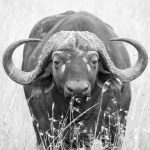
- Buffalo: Masai Mara or Lake Nakuru
- Black and white rhino: Ol Pejeta, Lake Nakuru, or Lewa
Which Parks Are Best for Each Animal?
Lion and Leopard in the Masai Mara
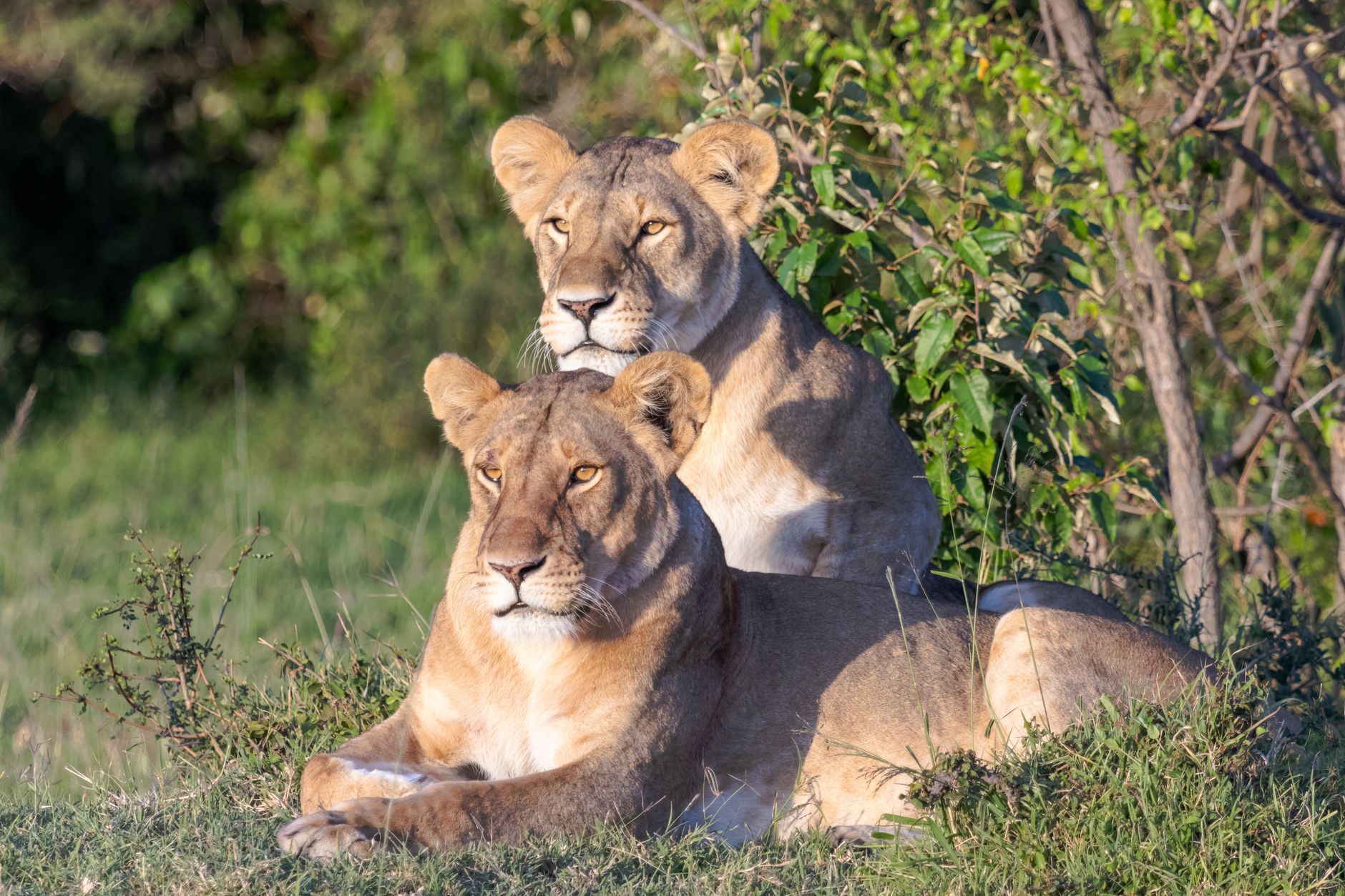
The Masai Mara is the top destination for big cats in Kenya. The Mara Triangle, the western section managed by the Mara Conservancy, has some of the highest lion densities in the country. Leopards are more secretive, but the riverine forests along the Mara River and the acacia woodlands near the escarpment are reliable places to spot them.
For the best chances, take multiple game drives at dawn and dusk. Leopards often rest in trees during the day and move at night. Your driver-guide will listen for alarm calls from baboons and birds, which often signal a leopard nearby. Our Masai Mara travel guide has more details on the reserve’s layout and best areas.
Elephant and Buffalo in Amboseli and Tsavo
Amboseli National Park is the classic spot for elephants. The park sits below Mount Kilimanjaro and is home to a large, well-studied elephant population. The open plains make them easy to photograph against the mountain backdrop. Buffalo also live here, though they are less iconic than the elephants.
Tsavo East and West together host one of the largest elephant populations in Kenya. The red-dust elephants of Tsavo are a distinctive sight. Buffalo herds are common throughout both parks.
Rhino in Ol Pejeta and Lake Nakuru
Rhinos are the hardest of the Big Five to see because they are heavily poached and live in protected sanctuaries. Ol Pejeta Conservancy in Laikipia is the best place in Kenya for both black and white rhino. It also hosts the world’s last two northern white rhinos, Najin and Fatu, though they are under constant protection and cannot be seen by normal visitors.
Lake Nakuru National Park has a fenced rhino sanctuary with both black and white rhino. The park’s woodlands and lakeshore are also home to lion, leopard, and buffalo, making it a compact Big Five option, though elephants are less common there.
Lewa Wildlife Conservancy in northern Kenya is another excellent rhino destination, with a strong black rhino population. It is pricier and more exclusive than Ol Pejeta but offers superb wildlife viewing.
Can You See All Big Five Animals in One Park?
Rarely. The only park in Kenya that historically held all five is the Masai Mara, but rhinos are not present there today. Some private conservancies in the Mara ecosystem have attempted to reintroduce rhinos, but none offer reliable sightings.
In practice, no single park in Kenya can guarantee all five. The closest options are:
- Ol Pejeta Conservancy: rhino, elephant, buffalo, lion, and leopard, but leopard sightings are less common
- Lake Nakuru: rhino, lion, leopard, buffalo, and occasionally elephant, but elephant numbers are low
- Tsavo East: elephant, buffalo, lion, and leopard, but rhino sightings are very rare
For a reliable Big Five checklist, plan a two-park itinerary. The Masai Mara plus Ol Pejeta or Lake Nakuru covers all five with high confidence.
Why Doesn’t Amboseli Have Rhinos?
Amboseli has no resident rhino population. The park’s open grasslands and swamp areas lack the dense bush that rhinos prefer, and the park has no fencing, making it hard to protect rhinos from poaching. Historically, rhinos ranged through the area, but they were wiped out by poaching in the 1980s. The Kenya Wildlife Service has not reintroduced them because of the park’s open boundaries and the difficulty of protecting them.
If you want elephants and rhinos in one trip, you cannot use Amboseli alone. Combine Amboseli with Ol Pejeta or Lake Nakuru instead.
What Is the Difference Between Black and White Rhino?
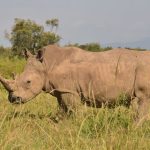
The two African rhino species look similar but behave differently. The white rhino is larger, with a wide square mouth adapted for grazing on grass. It is more social and often seen in small groups. The black rhino is smaller, with a pointed prehensile lip for browsing on bushes and trees. It is more solitary and aggressive.
“White” does not refer to color. It likely comes from a mistranslation of the Afrikaans word “wyd,” meaning wide, referring to the mouth. Both species are actually grey.
In Kenya, you can see both at Ol Pejeta and Lake Nakuru. White rhino are easier to find because they prefer open grassland. Black rhino are more elusive and often hidden in thick bush.
Are Kenya’s Big Five Animals Endangered?
Conservation status varies by species. The African elephant is listed as endangered, but Kenya’s population is relatively stable and growing. The African lion is vulnerable, with populations declining across the continent. The leopard is vulnerable as well. The Cape buffalo is of least concern, with large populations across Africa.
Rhinos are the most threatened. The black rhino is critically endangered, with Kenya home to one of the largest black rhino populations in Africa, protected across several fenced sanctuaries. The white rhino is near threatened, but the northern white rhino subspecies is functionally extinct, with only two females left at Ol Pejeta.
Kenya has invested heavily in rhino protection. Sanctuaries like Ol Pejeta, Lewa, and Lake Nakuru use fencing, armed rangers, and monitoring technology. Visiting these places directly funds conservation through park fees.
What Is the Best Time of Year to See the Big Five in Kenya?
The dry season from late June to October is the most reliable time for Big Five sightings. Vegetation is sparse, animals gather around water sources, and the Masai Mara is at its peak for predators. This is what most guides recommend, but it is the busiest and most expensive time.
The green season from November to May has trade-offs. From January to February, the weather is drier and crowds are lighter. From March to May, the long rains make some parks muddy and roads difficult. However, the landscape is lush and newborn animals appear. Predators are easier to spot in some areas because prey is concentrated.
For the best combination of good sightings and fewer tourists, consider January or February. The best time to visit Kenya guide breaks down each month in detail.
| Month(s) | Dry Season | Green Season |
|---|---|---|
| June to October | Best predator visibility, animals around water | Busy, higher prices |
| January to February | Good visibility, fewer crowds | Good newborn sightings, moderate prices |
| March to May | Difficult roads in some parks | Lush scenery, newborn wildlife, lowest prices |
How Many Days Do You Need for a Big Five Safari?
For a realistic shot at all five animals, plan at least 6 to 7 days. This gives you time to cover two parks and take multiple game drives at the best hours.
A practical itinerary looks like this:
- Days 1 to 3: Masai Mara for lion, leopard, elephant, and buffalo
- Days 4 to 5: Ol Pejeta or Lake Nakuru for rhino, plus additional cat sightings
- Day 6: Optional full-day game drive in either park
- Day 7: Departure from Nairobi
If you have only 4 to 5 days, you can still see most of the Big Five. Focus on one park with rhinos, like Lake Nakuru, and combine it with a shorter Mara visit. You will likely miss leopard or lion if you rush.
For a longer trip, add Amboseli for the elephant experience and its Mount Kilimanjaro views. See our Amboseli safari guide for details, or compare the two parks in our Masai Mara vs Amboseli breakdown.
Is the Masai Mara or Amboseli Better for the Big Five?
The Masai Mara is the stronger choice for a Big Five checklist. It offers four of the five animals (lion, leopard, elephant, buffalo) and has the highest density of predators in Kenya. It also offers the wildebeest migration from July to October, which is a major draw.
Amboseli is better for elephants specifically. The open plains and Kilimanjaro backdrop create photographs that are hard to match. But the park lacks rhinos and has fewer leopards than the Mara.
For most visitors, the Mara plus a rhino sanctuary is the winning combination. If you want the best elephant photography, add Amboseli as a third stop.
What Should You Expect on a Big Five Game Drive?
A typical game drive lasts 3 to 4 hours, usually at sunrise or late afternoon. Your guide will drive slowly along established tracks, stopping for sightings. Big Five animals are not always visible. Patience is essential.
Expect early starts, often before 6:00 AM. The first two hours after dawn are the best for predators. Afternoon drives from 4:00 PM to sunset are also productive. Midday drives are quieter, as animals rest in the shade.
Photography tips: bring a lens of 200mm or longer for wildlife, and a bean bag or window mount for stability. Dust is a constant issue, so protect your camera with a cover or cloth. Our Kenya safari packing list has a full gear checklist.
What Safari Style Is Best for Seeing the Big Five?
Several safari styles work well in Kenya. The most common is a lodge-based safari, where you sleep in a permanent camp or lodge and take game drives in a shared or private vehicle. This is the most comfortable option and works for most budgets.
A fly-in safari saves time. Instead of long drives between parks, you take short domestic flights. This is ideal if you have only 5 to 7 days and want to maximize game-viewing time.
A private conservancy safari, staying in camps like those in the Mara Naboisho or Ol Pejeta, offers exclusive access and off-road driving. This increases your chances of finding leopards and rhinos, but it costs more.
For first-time visitors, a lodge-based safari with a good guide is the safest choice. The guide matters more than the lodge. Ask about driver experience and track record before booking.
How Should You Plan a Big Five Trip from Latvia?
Start with flights to Nairobi, Kenya’s capital, which is the main entry point. You can find direct or one-stop flights from Riga, Tallinn, or Vilnius via European hubs like Frankfurt, Amsterdam, or Dubai. Book well in advance, especially for the dry season.
Plan your itinerary around the Big Five list. Do not try to cram too many parks into one trip. Two parks are enough. Focus on quality game time over quantity of destinations.
Work with a reputable safari operator who understands your language needs. Ask for a written itinerary that includes park names, lodge details, and game-drive schedules. Confirm whether park fees are included in the quoted price.
Budget realistically. A mid-range safari in Kenya costs in the range of 250 to 500 USD per person per day, depending on the season and lodge class. Luxury camps cost more, budget camps cost less. Our Kenya safari cost guide gives a full breakdown.
Ready to Start Planning?
A Big Five safari is a realistic goal with the right plan and the right guide. The next step is choosing a safari operator who can turn this plan into a real itinerary.
Take time to compare safari operators before you commit. Look for guides with strong reputations, clear itineraries, and transparent pricing. Browse packages and compare safari operators through FindMySafari, Valley Safaris, or Trunktrails Safaris to find a trip that fits your dates, budget, and wildlife priorities.
Where Can You Find More Safari Planning Resources?
- Ol Pejeta Conservancy guide from Trunktrails Safaris
- Ol Pejeta and Sweetwaters safari package from Valley Safaris
- Big Five safari collection on FindMySafari
More safari planning resources
- Masai Mara Big Five safari from SafariPure
- Ol Pejeta Conservancy guide from Trunktrails Safaris
- Ol Pejeta and Sweetwaters safari package from Valley Safaris
- Big Five safari collection on FindMySafari
Related guides: 2 Nights vs 3 Nights in Amboseli: How Long Should You Actually Stay?, Masai Mara Accommodation Near Sekenani Gate: What to Know Before Booking, Affordable Kenya Safari 2026: How to Plan for the Big Five on a Budget.